Atmospheric Factors Determining Results in Field Sports, Track Events, and Course Play
Written by Parker Vogel · Jul 15, 2026

Atmospheric Factors Determining Results in Field Sports, Track Events, and Course Play
Weather patterns exert measurable effects on athletic performance and event outcomes across multiple outdoor disciplines, and data collected by meteorological agencies shows consistent correlations between atmospheric variables and results in soccer, horse racing, and golf. Temperature shifts, wind speeds, precipitation levels, and humidity combine to alter playing surfaces, equipment behavior, and participant physiology in ways that researchers have quantified through long-term observational studies.
Precipitation and Surface Conditions in Soccer
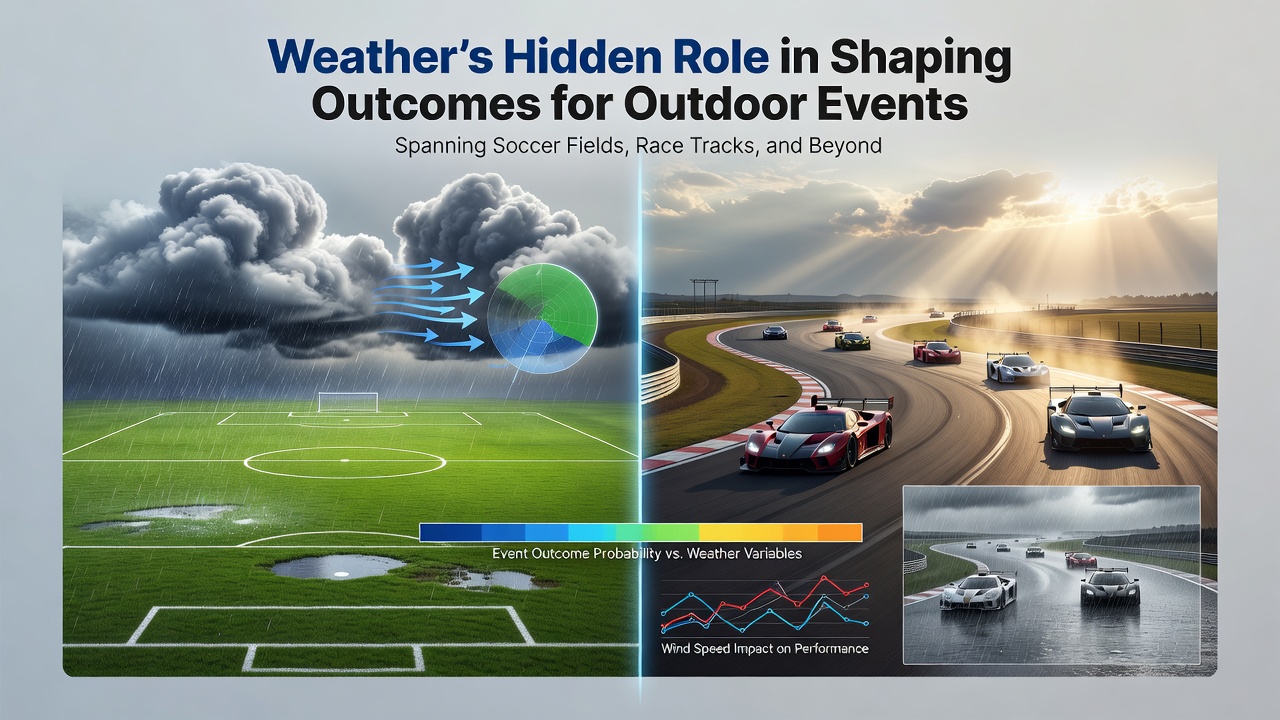
Heavy rainfall saturates soccer pitches and changes ball traction, player footing, and passing accuracy, while lighter showers create different friction patterns that favor certain tactical approaches. Studies from European football federations indicate that matches played on waterlogged fields record higher rates of long balls and fewer successful dribbles compared with dry conditions, and data collected during the 2025-2026 domestic seasons confirms these trends persist across multiple leagues. Observers note that July 2026 tournaments scheduled in regions prone to summer thunderstorms may encounter similar disruptions, prompting groundskeepers to implement advanced drainage systems that mitigate but do not eliminate the impact of sudden downpours.
Wind, Temperature, and Equine Performance on Race Tracks
Horse racing presents another set of variables where wind direction and temperature influence both animal physiology and track surface consistency. Headwinds increase energy expenditure for runners, and records maintained by racing authorities demonstrate slower average times on windy days, particularly over longer distances. High temperatures accelerate track drying, which hardens surfaces and favors horses with specific stride patterns, whereas cooler, overcast conditions preserve moisture and produce different speed profiles. According to NOAA analyses of environmental effects on outdoor competitions, sustained winds above 15 miles per hour correlate with measurable adjustments in race times across North American tracks, and similar patterns appear in Australian data sets compiled by the Bureau of Meteorology. Trainers adjust equipment and warm-up protocols in response to these forecasts, yet the underlying physical constraints remain fixed by atmospheric conditions on race day.
Wind, Humidity, and Ball Flight on Golf Fairways
Golf courses expose players to continuous interaction between wind, humidity, and ball aerodynamics, and professional tours maintain detailed environmental logs that reveal how crosswinds shift shot dispersion patterns while high humidity softens greens and alters roll distances. Research conducted by sports science departments at several universities demonstrates that wind speeds exceeding 10 miles per hour increase scoring averages by measurable margins on exposed links courses, and humidity levels above 70 percent extend the time moisture remains on putting surfaces after irrigation or rainfall. During July 2026 events planned for coastal venues, organizers expect prevailing sea breezes to play a central role in course setup decisions, with pin placements and tee selections adjusted daily according to forecast updates from regional weather services.
Ground crews at all three types of venues employ similar monitoring technologies, including soil moisture sensors and anemometers positioned at multiple heights, to provide real-time data that officials use when determining whether play continues or pauses. These systems generate datasets that extend beyond single events, allowing statisticians to identify recurring patterns across seasons and geographic regions.
Integrated Effects Across Multiple Disciplines
Combined weather events produce layered consequences when tournaments or race meetings span several days. A single heatwave followed by evening thunderstorms can leave soccer pitches firm in the morning yet slippery by afternoon kickoff, while golf fairways experience rapid changes in firmness and horse racing surfaces shift from fast to good-to-soft within hours. Industry reports compiled by international sports medicine associations document increased injury rates under rapidly fluctuating conditions, and equipment manufacturers have responded by developing weather-responsive footwear and ball constructions tested in controlled wind tunnels and humidity chambers. Those who manage scheduling for major events in July 2026 continue to incorporate extended weather windows into planning calendars to reduce the frequency of postponed rounds or abandoned matches.
Conclusion
Atmospheric conditions remain an unavoidable determinant of competitive outcomes in soccer, horse racing, and golf, and the accumulated evidence from meteorological records, performance databases, and physiological studies demonstrates that temperature, wind, and precipitation modify surfaces, equipment behavior, and athlete or equine exertion in predictable directions. Continued refinement of forecasting tools and surface management techniques allows organizers to anticipate many effects, yet the fundamental influence of weather on these outdoor disciplines persists across every season and location.