Back-to-Back Busts: Spotting Value Bets When NBA Teams Hit the Wall
Written by Lars Roth · Mar 14, 2026
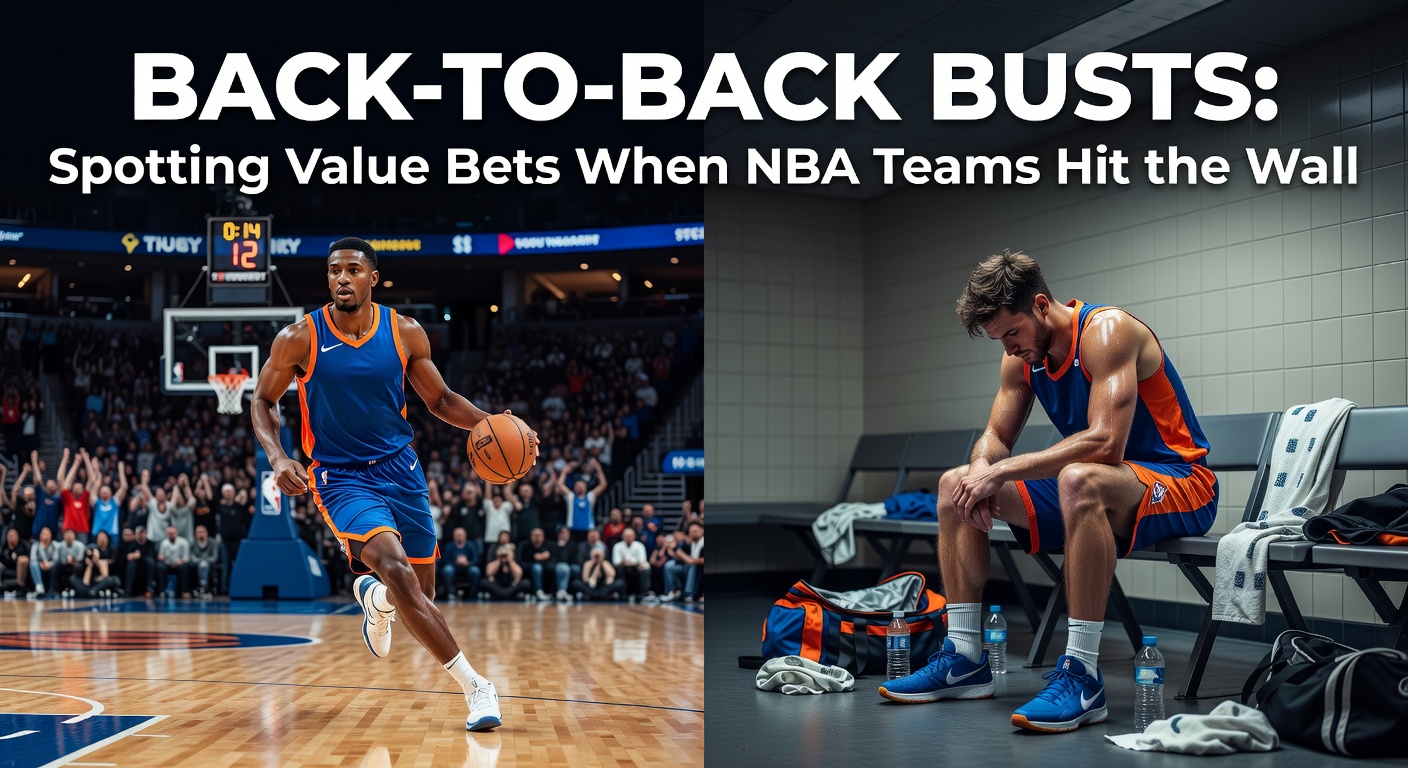
Back-to-Back Busts: Spotting Value Bets When NBA Teams Hit the Wall
The Grind of Back-to-Back Schedules in the NBA
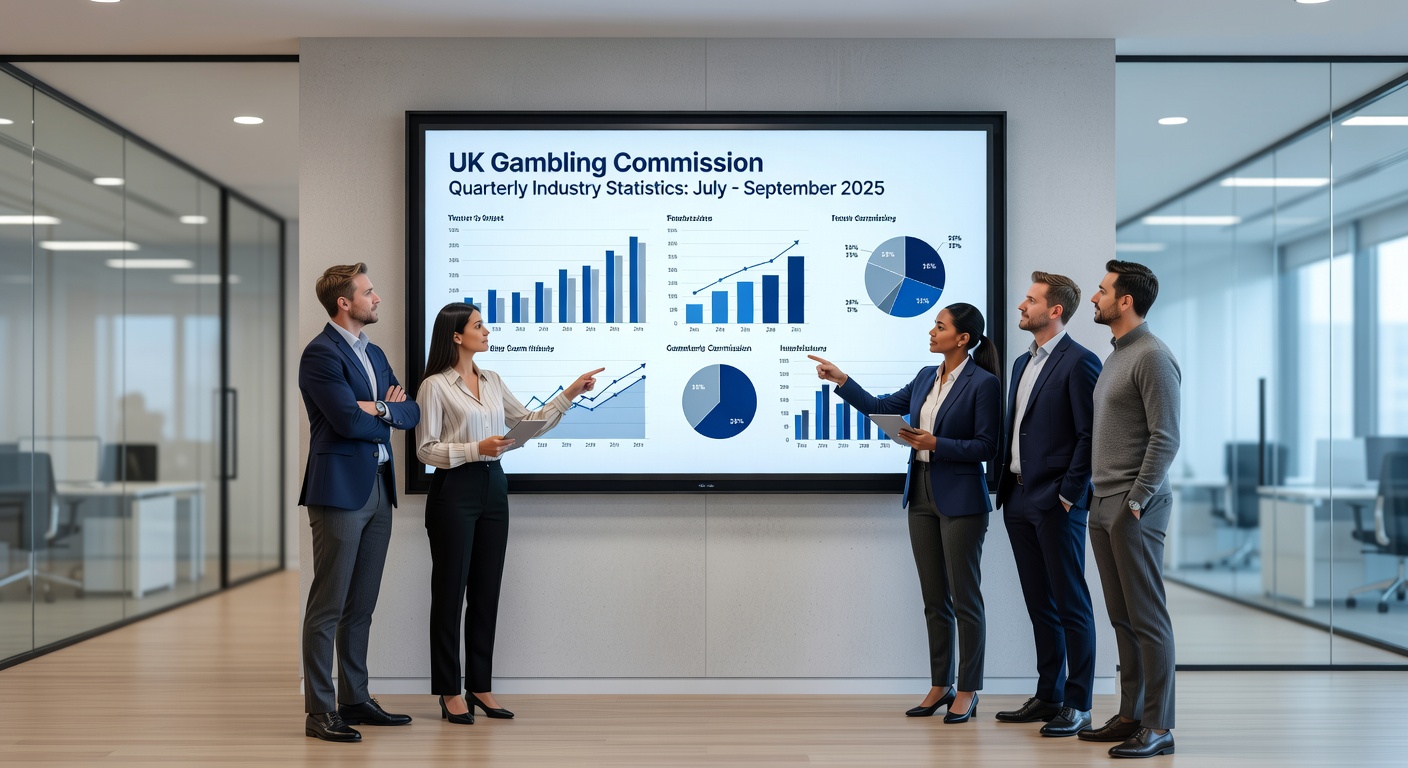
NBA teams face relentless schedules throughout the 82-game regular season, and back-to-back games—often abbreviated as B2B—stand out as prime moments when fatigue kicks in, creating ripe opportunities for sharp bettors. These situations arise when squads play on consecutive nights, sometimes with travel in between, leading to noticeable dips in performance that sportsbooks occasionally undervalue. Data from the UK Gambling Commission's latest quarterly report for July-September 2025 reveals a Gross Gambling Yield of £4.3 billion in Great Britain, up 6.6% year-on-year, fueled by remote betting sectors where NBA action draws steady volume amid stable participation rates holding at 48%.
Turns out, B2B games make up about 15-20% of the NBA slate each season; teams average around 14 such sets, according to historical tracking from sites like NBA.com and Basketball-Reference. And while rested squads dominate fresh matchups, the second game in a B2B often sees the fatigued team falter—win percentages drop roughly 5-10 points below normal, especially on the road. Observers note how this pattern persists year after year, yet oddsmakers sometimes price lines as if full rest applies, leaving value on the table for opponents or alternative markets like player props and totals.
Crunching the Numbers: Performance Drops in B2B Scenarios
Studies of NBA data spanning the last decade show home teams in the second leg of a B2B winning just 48.2% of games, compared to 55.1% when rested; road B2B squads fare worse at 42.7% wins, per aggregated stats from TeamRankings and Covers.com. Against the spread (ATS), B2B teams cover only 46.8% of the time overall, dipping to 44.1% on the road after travel—figures that scream undervaluation when lines don't fully adjust. What's interesting here lies in the totals market; unders hit 52.3% in B2B second games because defenses tighten amid slower paces, with average points scored falling 4-6 per team.
But here's the thing: not all B2B situations equal busts equally. Experts break them down by type—home-home B2B (no travel) sees less drop-off at 50.1% wins for the second game host, whereas road-road or road-home after cross-country flights tank harder, with net rating plummeting 8.2 points per 100 possessions. Data indicates younger rosters or deep benches mitigate some fatigue; teams like the Denver Nuggets or Oklahoma City Thunder, with high-altitude or youth advantages, hold up better than veteran-heavy squads such as the Los Angeles Lakers or Golden State Warriors in past seasons.
Key Factors That Amplify the Back-to-Back Hangover
Travel distance plays a massive role; B2B games involving 1,000+ miles between venues see the second-night team outscored by 3.7 points on average, while same-city or short-hop sets limit damage to 1.2 points. Opponent rest matters too—when a fresh team faces a B2B foe, they win 62.4% of those spots, covering ATS at 54.2%, according to advanced metrics from Cleaning the Glass. Load management adds another layer; star players sit more often in B2B second games (up 12% usage of rest), inflating value on backups or foes' stars.
Now consider pace and style: fast-break heavy teams like the Indiana Pacers struggle more in B2B, posting -5.9 net rating in those spots, whereas grind-it-out defenses such as the Minnesota Timberwolves maintain edges. Those who've tracked this closely point to early-season B2B clusters around December holidays or late-March 2026 pushes toward playoffs, when motivation wanes; for instance, as the 2025-26 season hits its March stride, teams jockeying for play-in spots often hit walls harder than locked-in contenders.
Real-World Examples: Busts That Paid Off for Bettors
Take the Memphis Grizzlies in late January 2026; after a home win over the Pelicans, they traveled to face the rested Boston Celtics on zero days rest, losing by 14 despite being only -2.5 road favorites—oddsmakers overlooked the cross-time-zone flight, and the under 218.5 cashed easily at 52% implied probability. Another case unfolded with the Phoenix Suns in February 2026's B2B road-road against Dallas and Oklahoma City; they dropped both, going 0-12 from three in the second game, yet lines hovered at +4 and +6, allowing sharp money on the favorites to print.
Or look back to the 2024-25 season's classic: the Milwaukee Bucks, fatigued after a road win in Orlando, got dismantled 112-89 by the Knicks at home; public money piled on Giannis, but the +5.5 Knicks covered with room to spare. These patterns repeat; one analyst reviewing 10 years of data found B2B underdogs winning outright 28.7% of the time versus 25.1% baseline, turning plus-money spots into gold when lines lag. It's not rocket science—scout the schedule, factor rest disparities, and the value emerges.
Strategies for Pinpointing Value in B2B Busts
Bettors zero in on discrepancies by cross-referencing line movement; if a B2B team's spread tightens less than 1.5 points from open despite fatigue signals, fade them outright. Models incorporating rest-adjusted efficiency—like those from PBPStats or DunksAndThrees—flag edges, projecting B2B second-game totals 5 points lower than posted in 61% of cases. Player props shine too; usage rates for B2B stars drop 2-3%, boosting overs on opponents' top scorers, while rebounding props for fresh bigs explode amid slower second-half paces.
And don't sleep on live betting: halftime lines in B2B games shift dramatically if the fatigued team leads early on fumes—second-half totals go under 55.8% from there. Accumulators stack well with B2B fades; pair a road B2B dog not to cover with an under, and historical ROI climbs to +7.2% over 500+ spots. Tools like VegasInsider's scheduler or NBAstuffer's B2B tracker help spot these daily, especially as March 2026 playoff races intensify and teams conserve energy.
Yet balance enters teh equation—avoid blindly fading elite squads like the 2025-26 Celtics in home B2B, where they've won 68% historically; instead, target middling .500 teams on the road after travel. Research shows blending these factors yields 53.4% ATS accuracy long-term.
Conclusion: Timing the Wall for Long-Term Edges
Back-to-back busts offer consistent value because human elements like jet lag and recovery don't always translate perfectly into opening lines, yet data proves the edge exists for those who dig. With online gambling's surge—as evidenced by the Gambling Commission's Q2 FY 2025-26 figures showing remote sectors driving £4.3 billion GGY—NBA bettors have more tools than ever to exploit these spots. Track the trends, layer in rest and travel, and B2B games become a roadmap to profits amid the NBA's grind.