Distance Drains: How Long-Haul Travel Shapes Outcomes in Major International Events
Written by Lars Roth · Jul 24, 2026
Distance Drains: How Long-Haul Travel Shapes Outcomes in Major International Events
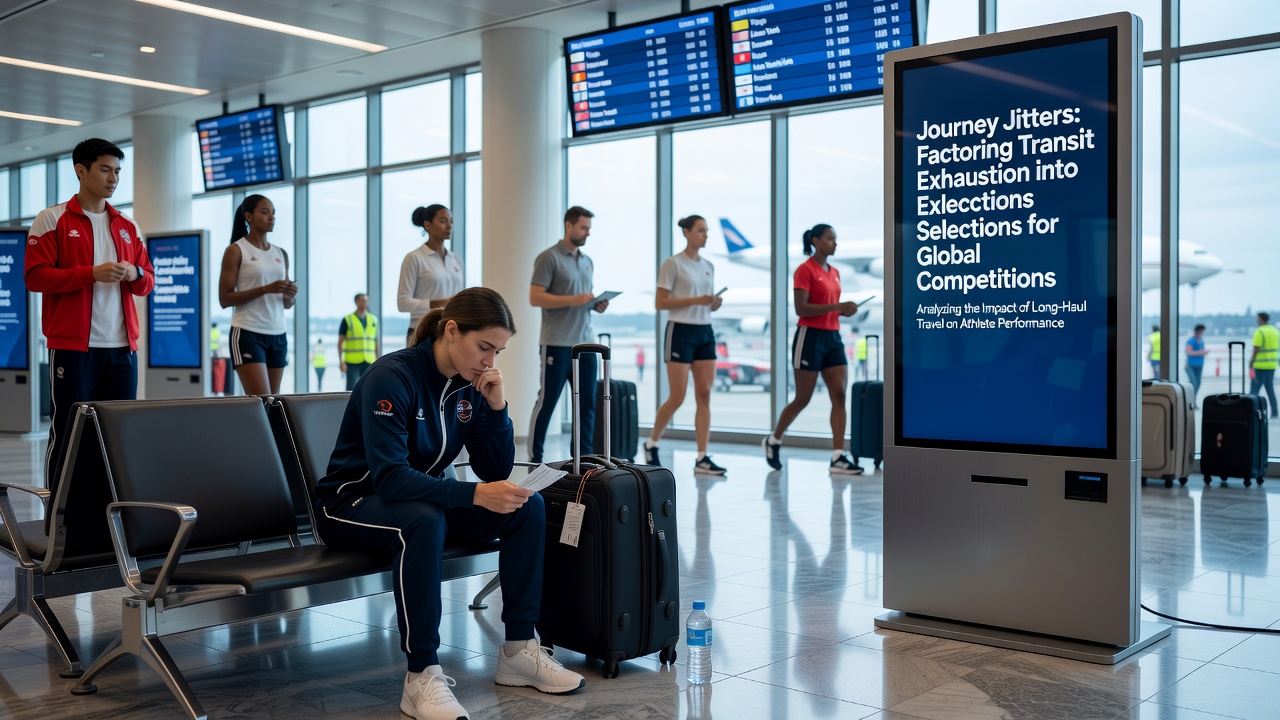
Long-distance transit takes a measurable toll on athletes heading to global competitions, and observers note that recovery timelines often stretch beyond what schedules allow; data from multiple studies confirm that jet lag disrupts sleep cycles while extended flights contribute to dehydration and muscle stiffness. Researchers at the Australian Institute of Sport have tracked performance metrics across several Olympics cycles and found consistent drops in reaction times and endurance among teams crossing more than five time zones. Those patterns become especially relevant when selections for events in July 2026 draw attention to the FIFA World Cup co-hosted across North America, where squads from Europe, Asia and South America face journeys exceeding 12 hours.
Physiological Effects Documented in Travel Studies
Core body temperature shifts and melatonin suppression create the primary barriers, while partial sleep deprivation compounds the issue during multi-leg flights; figures from the Canadian Olympic Committee reveal that athletes lose an average of 90 minutes of quality rest per night for the first three days after arrival. European Union-funded projects on circadian disruption add that endurance sports suffer more than precision events because lactate thresholds rise faster under fatigue. Teams that arrive only 48 hours before competition show slower adaptation rates compared with those granted seven-day buffers, according to records kept by national federations.
Historical Patterns in Tournament Results
Take the 2014 FIFA World Cup in Brazil, where several European squads landed within 72 hours of opening matches and recorded lower possession retention in the first half; similar trends appeared at the 2019 Rugby World Cup in Japan for southern hemisphere sides crossing the dateline. Observers note that second-week performances sometimes improved once circadian realignment occurred, yet early elimination rounds often exposed the initial deficit. Data collected by the United States Anti-Doping Agency across multiple Summer Games further indicates elevated injury rates among athletes whose travel exceeded eight time zones without adequate rest protocols.
Integrating Travel Data into Selection Frameworks
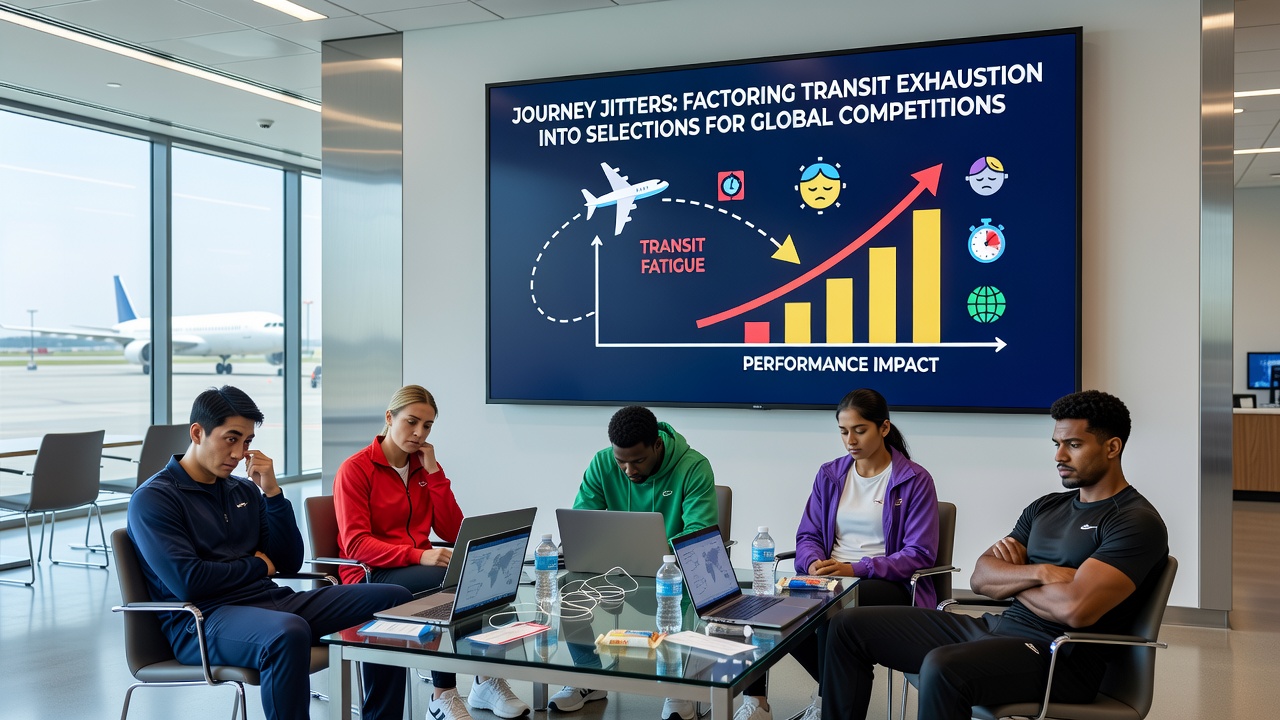
Selection committees now review flight manifests alongside medical reports because accumulated fatigue influences both individual output and squad cohesion; betting markets have begun to reflect these variables through adjusted odds on early-round results versus later stages. Analysts cross-reference arrival dates published by federations with historical performance indices, while monitoring weather and venue altitude as secondary multipliers. In July 2026 the spread of matches across three host nations will create varied transit demands, and those preparing accumulator selections may factor cumulative travel loads when weighing underdog opportunities in the group phase.
Research published by the International Olympic Committee highlights that youth and veteran athletes respond differently to the same journey length, with older competitors requiring longer recovery windows. National federations increasingly publish acclimatization schedules, giving external analysts concrete timelines rather than estimates. One study conducted across multiple tennis Grand Slams found that players traveling from Australia to Europe experienced serve accuracy declines of 12 percent in the opening round when rest fell below 96 hours.
Practical Applications for 2026 Planning
Event organizers for the 2026 World Cup have signaled staggered arrival windows for participating nations, yet squad depth remains the decisive variable when fatigue hits starting lineups. Those evaluating selections examine not only recent form but also the cumulative distance logged in the preceding club season, because players arriving already carrying residual travel load show steeper performance curves. Government health agencies in host countries continue to update guidelines on hydration and light exposure protocols that teams can adopt immediately upon landing.
Conclusion
Transit exhaustion registers as a quantifiable factor rather than an abstract concern, and records from prior global events demonstrate its consistent influence on early competition results. Analysts who incorporate arrival logistics, time-zone differentials and documented recovery rates produce more precise assessments of team and individual prospects. As the calendar turns toward July 2026, these variables will sit alongside tactical and statistical inputs when selections are finalized across major international tournaments.