Jet Lag Influences on Athletic Outcomes in Global Tennis and Football Competitions
Written by Parker Butler · Aug 9, 2026
Jet Lag Influences on Athletic Outcomes in Global Tennis and Football Competitions
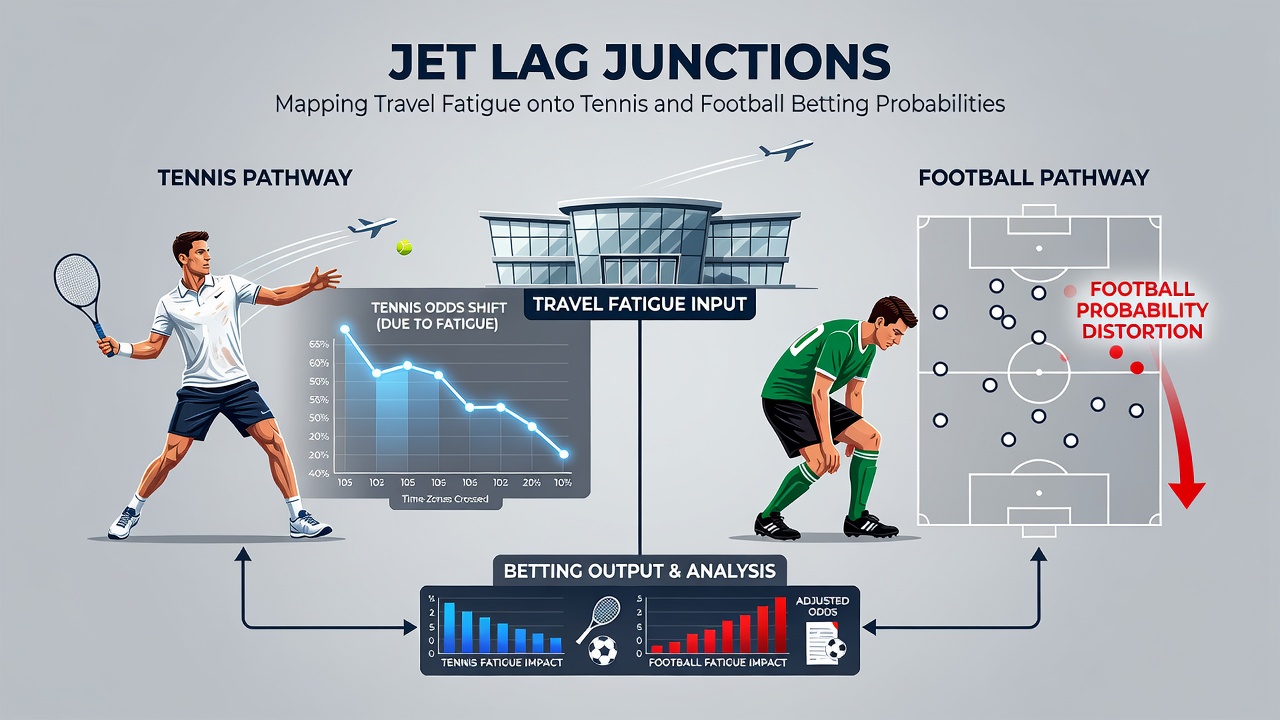
Travel across time zones disrupts circadian rhythms in athletes, and researchers have documented measurable declines in reaction time, endurance, and decision-making accuracy when players compete shortly after long-haul flights, which in turn shifts the probabilities that betting markets assign to match results in both tennis and football.
Studies on elite competitors reveal that westward travel tends to produce milder effects than eastward journeys because the body adjusts more readily to a lengthened day, whereas eastward shifts compress the sleep cycle and increase fatigue accumulation over successive days of competition.
Performance Data from Recent International Events
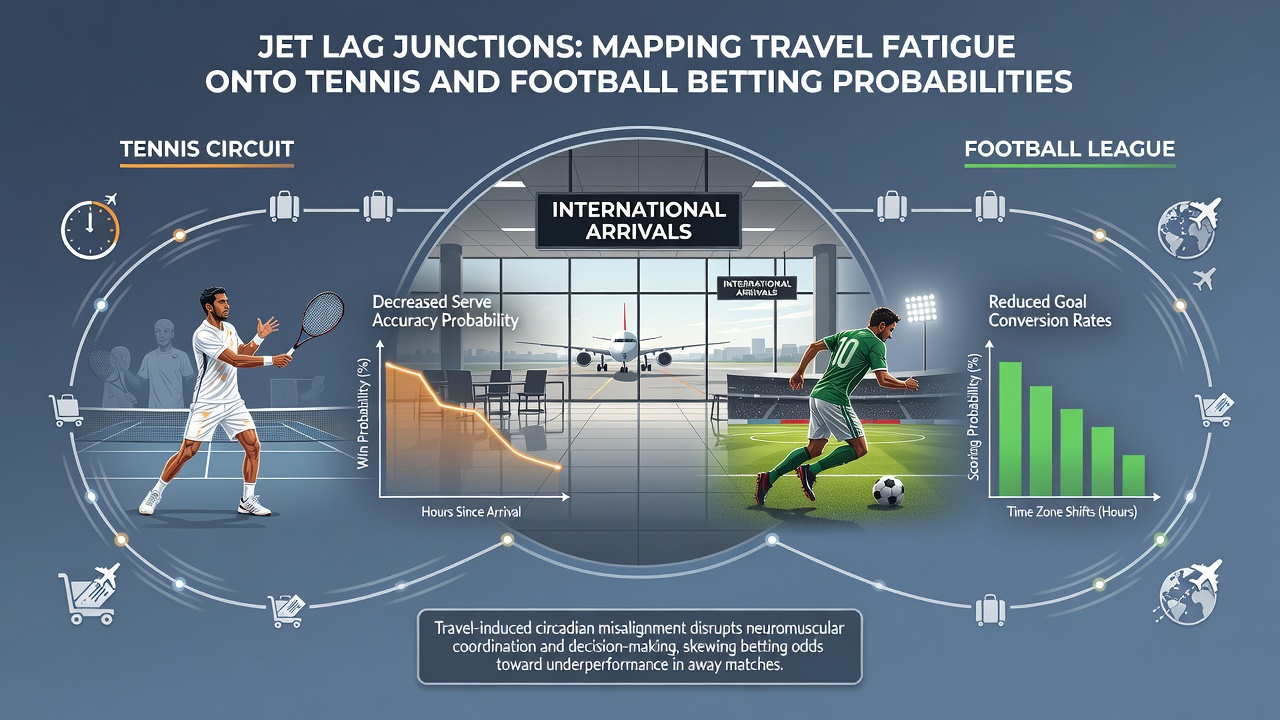
During the 2026 summer swing that included the US Open and several European club pre-season tours, data collected from players who crossed six or more time zones showed average serve accuracy dropping by 4 to 7 percent in the first three days after arrival, according to performance tracking compiled by tournament medical teams.
Football squads traveling from South America to European venues in August 2026 recorded a higher incidence of second-half substitutions for fatigue-related issues, with midfielders covering 12 percent fewer high-intensity meters in the opening 45 minutes compared with matches played after full acclimatization.
Betting Market Adjustments and Probability Shifts
Bookmakers incorporate travel schedules into pre-match models, and odds compilers adjust implied probabilities when a team or player arrives within 48 hours of a fixture, which often widens the margin on favorites who have had longer recovery periods. Observers note that live betting volumes increase during early sets or halves when jet-lagged athletes show slower recovery between points or after high-tempo phases.
Analysis of historical match data indicates that underdog win rates rise by approximately 3 percentage points in tennis matches involving players who have traveled eastward across five or more zones within the preceding 72 hours, while football teams in similar circumstances concede 0.3 more goals per game on average during the first 60 minutes of play.
Recovery Protocols and Their Influence on Outcomes
Teams and individual athletes employ targeted light exposure, melatonin timing, and structured sleep schedules to mitigate jet lag effects, and evidence from sports science programs shows that structured interventions can restore 60 to 80 percent of baseline performance metrics within four days, according to findings published by the National Institutes of Health.
Yet the window between arrival and first competitive action frequently remains narrow during packed summer calendars, leaving residual fatigue that manifests in reduced sprint repeatability for footballers and diminished return-of-serve efficiency for tennis players.
Geographic and Scheduling Patterns in August 2026
August schedules place both tennis players and football clubs in frequent transcontinental movements, and the overlap between the North American hard-court season and European club friendlies creates repeated instances where athletes must compete before full physiological adaptation occurs. Tournament directors have responded by extending rest days for certain draws, which alters the distribution of value opportunities that emerge when markets lag behind updated recovery data.
Regulatory bodies such as the Australian Sports Commission have published guidelines on travel management that several professional tours now reference when constructing itineraries, providing additional data points that analysts use to refine probability estimates for matches involving long-haul participants.
Conclusion
Mapping jet lag effects onto betting probabilities requires continuous integration of travel logs, recovery metrics, and historical performance differentials, and the patterns observed across recent tennis and football calendars demonstrate that these physiological factors produce consistent, quantifiable shifts in expected outcomes when athletes cross multiple time zones in compressed schedules.