Pace Links Between Tracks and Courts: Using Equine Sectionals and Tennis Rhythms for Smarter Accumulator Builds
Written by Parker Butler · May 22, 2026
Pace Links Between Tracks and Courts: Using Equine Sectionals and Tennis Rhythms for Smarter Accumulator Builds
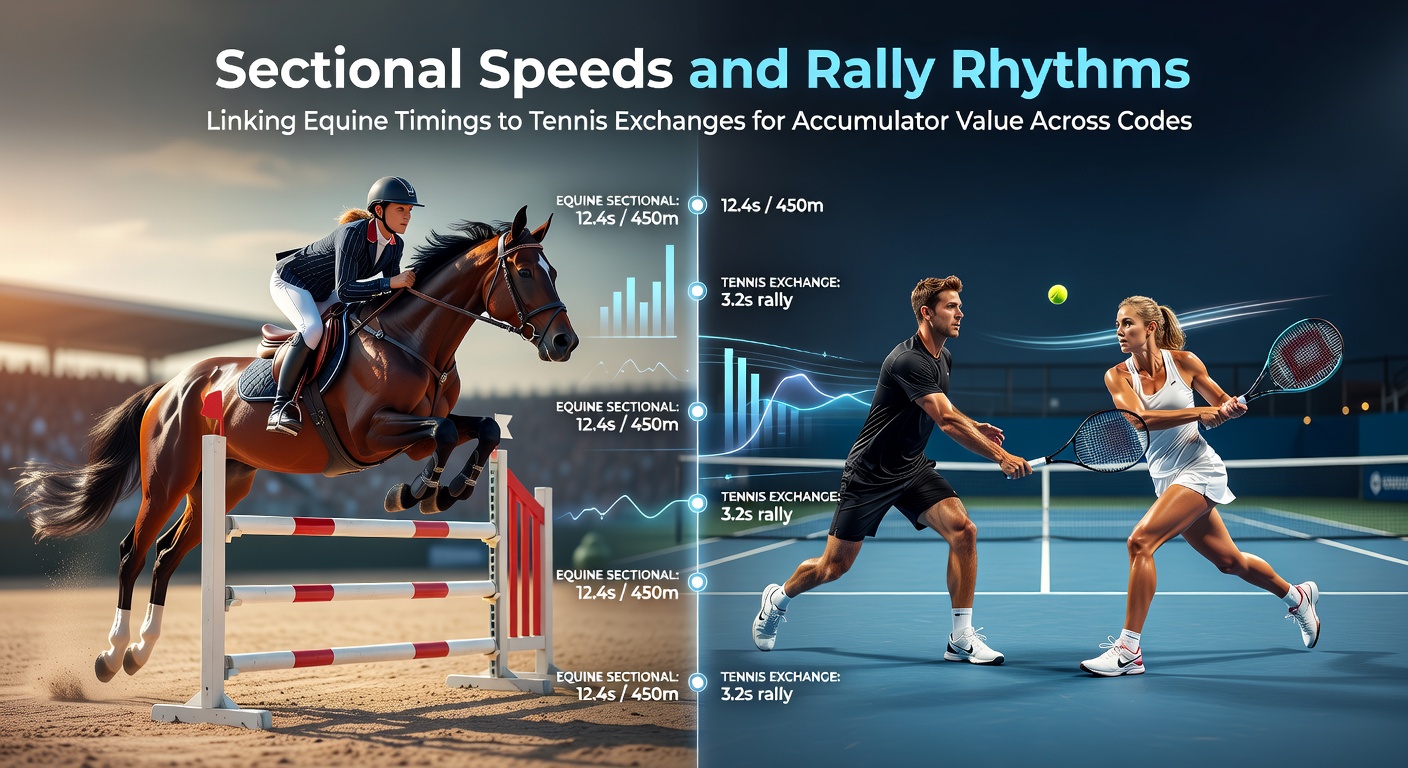
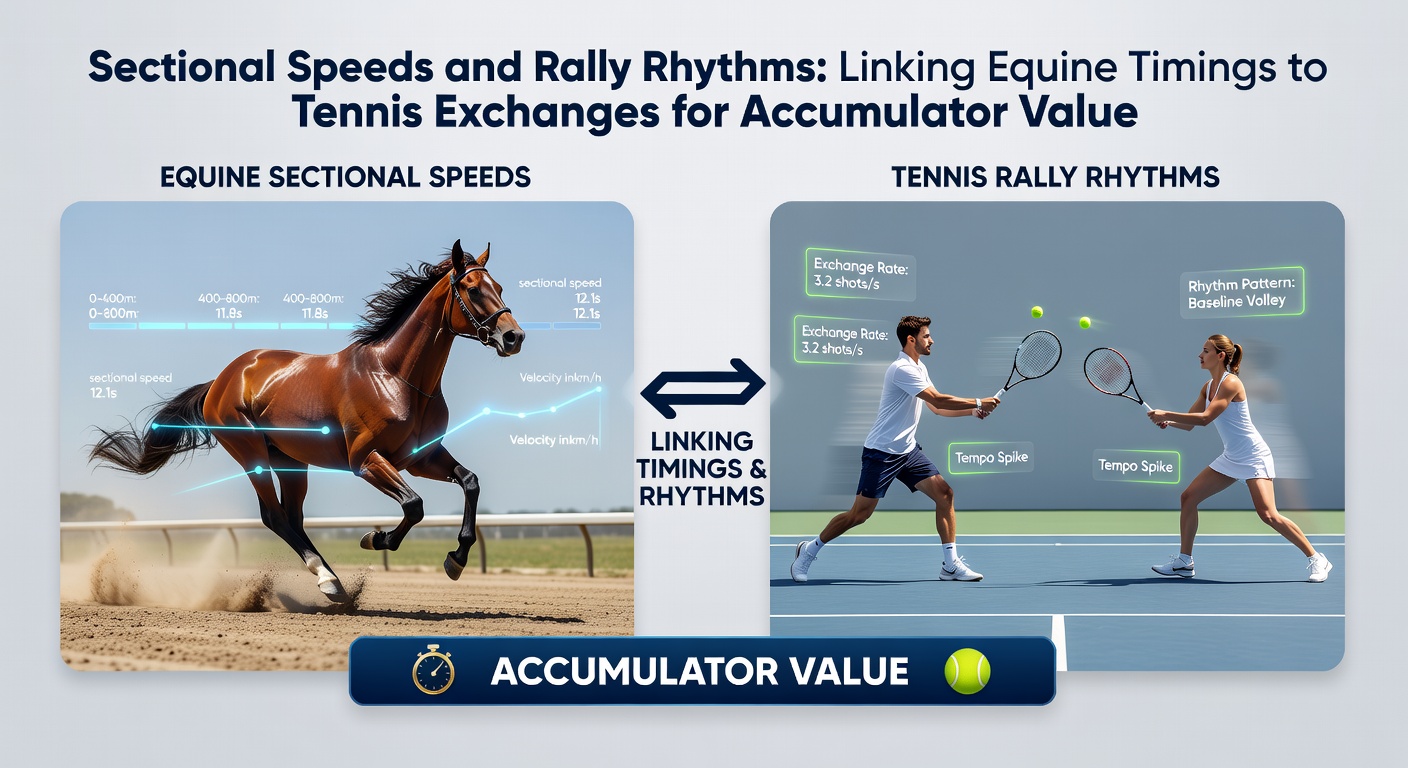
Sectional speeds in horse racing capture split times across specific track segments, and these measurements reveal how individual runners distribute effort throughout a race, which creates opportunities to align such patterns with tennis rally exchanges where point duration and shot frequency follow comparable momentum cycles. Analysts track these metrics because they highlight fatigue thresholds and acceleration bursts that translate across codes when constructing accumulator selections that combine outcomes from both sports.
Core Elements of Equine Sectional Analysis
Thoroughbred and harness racing data providers record sectional timings at intervals such as 200-metre or furlong marks, and these figures allow comparisons between early leaders who fade and closers who maintain pace into the final stages. Studies from racing authorities show that horses posting consistent mid-race sectionals of under 11 seconds per furlong often sustain performance when transferred to firmer ground later in the campaign. Observers note that such data becomes particularly relevant during May 2026 meetings when tracks transition from spring softening to firmer surfaces ahead of major summer festivals.
Tennis Rally Structures and Exchange Metrics
Tennis statisticians measure average rally length, shots per point, and serve-return success rates to quantify how players manage energy across sets. Data indicates that matches featuring rallies averaging above nine shots per point tend to produce longer deciding sets where baseline endurance matters most. Grand Slam draws in May, including the French Open on clay, frequently generate extended exchanges that reward players who control tempo rather than those relying solely on first-strike power. These patterns parallel the sectional stamina shown by horses that conserve energy for late surges.
Building Cross-Code Accumulator Connections
Betting syndicates and professional punters combine equine sectional leaders with tennis players who sustain high rally counts because both datasets flag athletes or runners likely to outperform market expectations in later stages. A horse that records strong closing sectionals on soft ground may pair with a clay-court specialist who wins points after prolonged rallies, creating legs in accumulators that exploit overlooked consistency rather than headline form. Industry reports from organizations such as the United States Tennis Association highlight how rally-duration statistics improve forecasting accuracy during extended tournaments, while similar sectional databases in racing jurisdictions supply the equine counterpart.
Practical Integration During Peak Seasons
During May 2026 calendars that feature simultaneous racing festivals and tennis majors, timing correlations become sharper because both sports operate under similar weather influences that affect pace. Heavy rain slows track sectionals and lengthens tennis rallies on slower surfaces, whereas dry conditions accelerate both horse splits and point endings. Research indicates that accumulators structured around these shared environmental adjustments capture value more reliably than single-sport bets alone. Those who monitor live sectional updates alongside real-time tennis rally counts can adjust selections mid-event when early data deviates from pre-race or pre-match projections.
Data Sources and Measurement Standards
Racing jurisdictions publish sectional figures through official timing systems, and tennis federations release rally statistics via Hawk-Eye and similar tracking platforms. Cross-referencing these datasets requires standardized units, such as converting furlong splits into seconds-per-metre equivalents and aligning them with shots-per-second rally rates. Reports from the Arena Racing Company demonstrate how sectional consistency predicts future performance, and parallel tennis studies confirm that rally rhythm stability correlates with match-win probability under pressure. This alignment supplies the factual foundation for accumulator construction across codes.
Conclusion
Sectional speeds and rally rhythms supply measurable timing links that span equine and tennis events, allowing data-driven selection of accumulator legs focused on sustained performance rather than isolated highlights. As May 2026 events unfold, the integration of these metrics continues to refine multi-code betting frameworks through consistent, verifiable performance indicators.