Recovery Timeline Synchronization in Multi-Sport Athlete Schedules
Written by Frankie Hansen · Jun 21, 2026
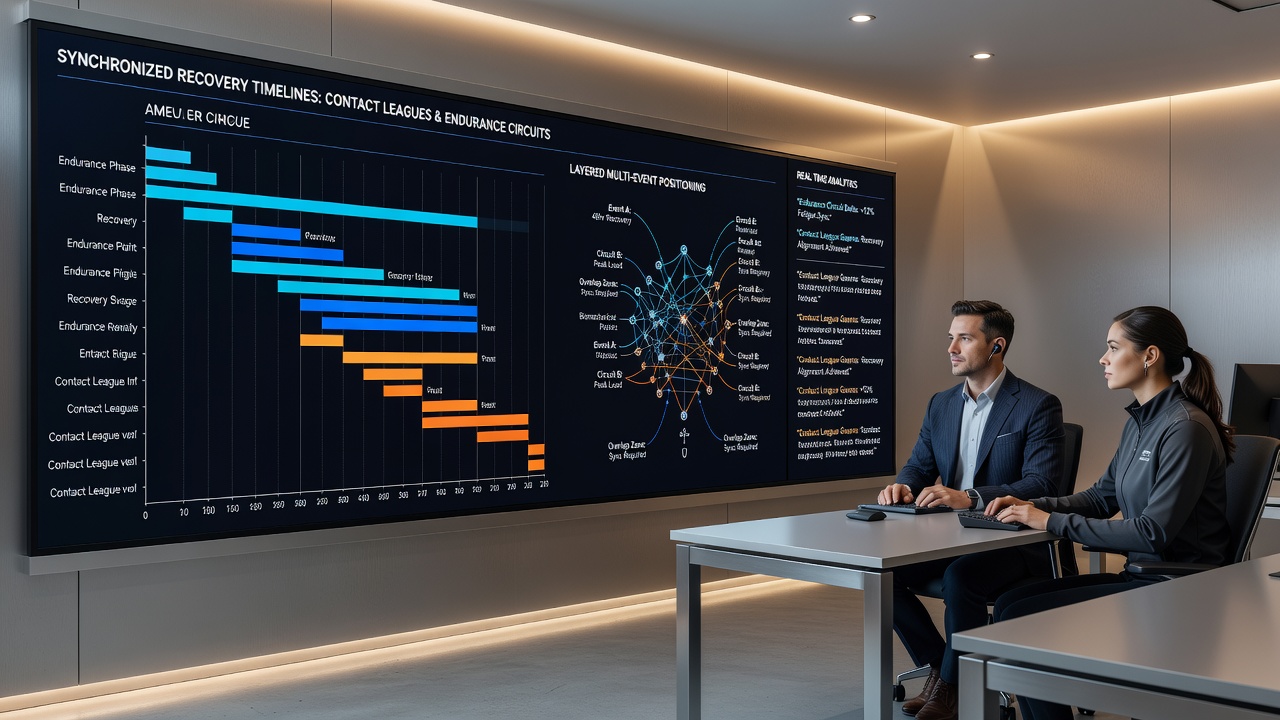
Recovery Timeline Synchronization in Multi-Sport Athlete Schedules
Coordinating recovery periods across contact leagues such as rugby and American football alongside endurance circuits like cycling tours and marathon series requires precise mapping of physiological restoration windows to support athletes who compete in overlapping calendars. Data from sports science monitoring shows that contact events generate acute muscle damage and inflammation markers which typically peak within 48 to 72 hours post-match while endurance activities produce cumulative fatigue that lingers through glycogen depletion and connective tissue stress lasting up to five days.
Mapping Physiological Demands in Contact Leagues
Researchers at institutions tracking professional athlete workloads have documented that rugby players experience elevated creatine kinase levels after high-impact collisions whereas American football athletes face similar spikes combined with repeated sub-concussive forces. These markers dictate minimum rest intervals before subsequent high-load sessions and data indicates that inadequate spacing between contact exposures increases soft tissue injury rates by measurable margins according to longitudinal studies compiled by the Australian Institute of Sport.
Endurance Circuit Recovery Patterns
Endurance athletes competing in multi-stage events such as grand tours or road racing circuits demonstrate distinct recovery profiles centered on mitochondrial repair and cardiovascular recalibration. Studies from the European College of Sport Science reveal that cyclists require structured low-intensity days to restore aerobic capacity after consecutive high-output stages and marathon runners show parallel needs for hydration and electrolyte balance restoration that extend beyond immediate post-race periods. When these athletes transition into layered schedules that include contact elements the combined stress load necessitates recalibrated timelines that account for both acute trauma and systemic fatigue.
Integrated Synchronization Approaches
Coaches and performance staff implement synchronization protocols by aligning rest blocks using wearable sensor data and blood biomarker tracking to identify overlapping recovery needs. For instance one documented case involved a multi-event competitor who scheduled low-contact drills during the final phase of an endurance taper allowing muscle repair markers to normalize before entering a high-stakes contact fixture in June 2026. Organizations such as the International Olympic Committee have published frameworks that emphasize periodized loading where contact sessions follow endurance blocks only after verified restoration thresholds are met through objective metrics rather than fixed calendar assumptions.

Practical Implementation in Layered Calendars
Performance teams apply these principles through software platforms that overlay recovery curves from disparate sports and adjust training prescriptions accordingly. Observers note that athletes who maintain consistent sleep architecture and nutrition timing across both contact and endurance demands achieve faster return-to-play benchmarks as evidenced in reports from the National Collegiate Athletic Association injury surveillance systems. In practice this means inserting active recovery modalities such as aquatic therapy or compression protocols during transition windows to bridge the differing physiological demands without extending overall downtime.
Monitoring Tools and Data Integration
Advanced monitoring combines heart rate variability readings with subjective wellness questionnaires to flag when an athlete's recovery trajectory deviates from projected norms. Figures from Canadian sport research centers demonstrate that such integrated tracking reduces overtraining incidence in multi-discipline schedules by enabling real-time adjustments to session intensity and volume. The approach proves especially relevant during condensed calendars where events cluster within short spans and forces teams to prioritize which recovery elements receive emphasis on any given day.
Conclusion
Effective synchronization of recovery timelines across contact leagues and endurance circuits supports sustained performance in layered multi-event positioning by grounding decisions in measurable physiological indicators rather than assumptions. Continued refinement of these methods through ongoing data collection from global athletic populations will further clarify optimal spacing strategies as schedules evolve through upcoming seasons.