Rest Rotation Ripples: Data-Backed Angles on NBA and Premier League Lineup Tweaks Fueling Accumulator Fireworks
Written by Lars Roth · Apr 17, 2026
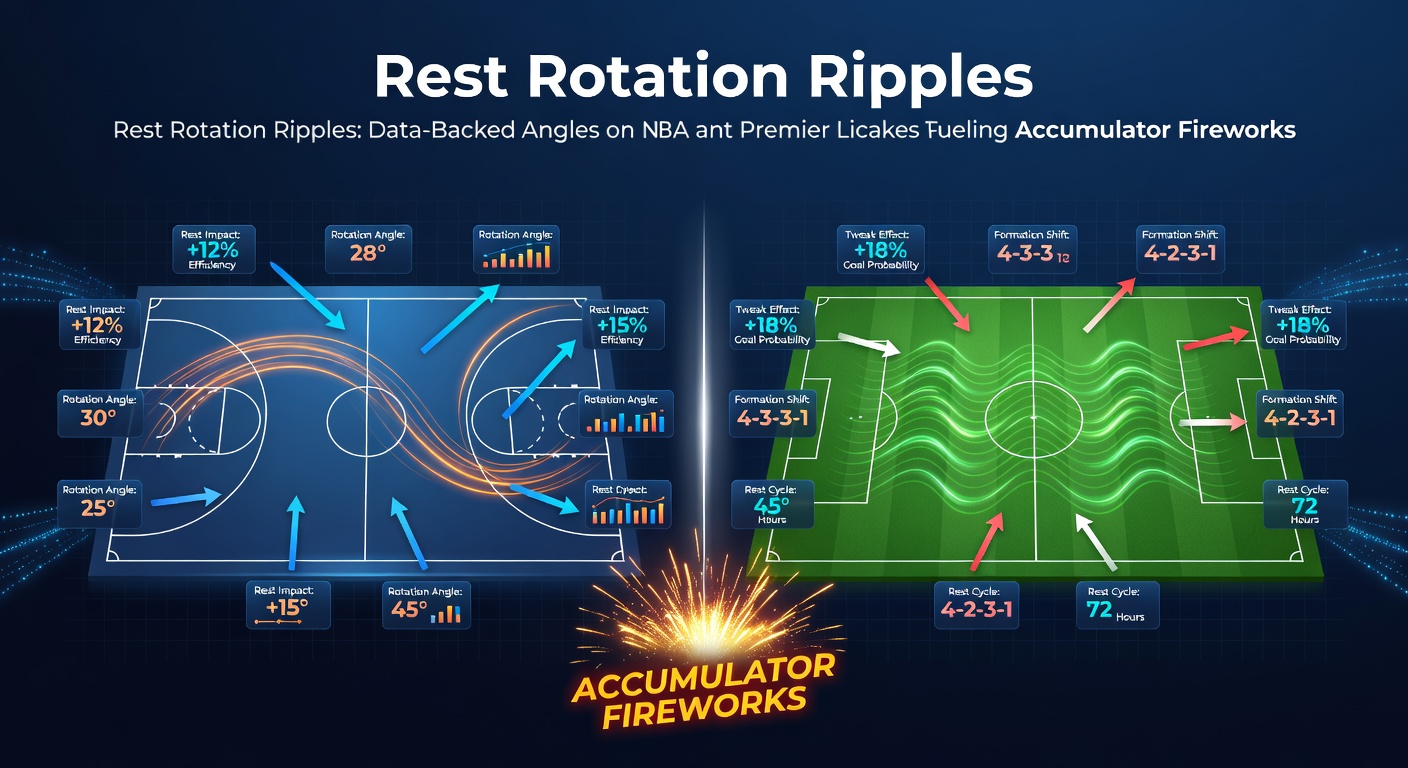
Rest Rotation Ripples: Data-Backed Angles on NBA and Premier League Lineup Tweaks Fueling Accumulator Fireworks
The Pulse of Player Rest in High-Stakes Seasons
Teams in the NBA and Premier League often juggle packed schedules, leading coaches to tweak lineups through rest rotations that send ripples across betting markets; data from the Basketball-Reference reveals how these moves, especially in April stretches like the 2026 run-up to playoffs, alter game dynamics in predictable patterns. Observers track instances where star players sit out back-to-backs, and suddenly second units step up or falter, creating edges for accumulators that stack multiple low-confidence picks into high-reward parlays. What's interesting is how Premier League managers rotate squads amid European ties and domestic cups, exposing vulnerabilities that sharp bettors exploit when official lineups drop hours before kickoff.
Figures show NBA teams on second nights of back-to-backs cover the spread just 42% of the time since the 2020-21 season, a dip that persists into 2026; meanwhile, Premier League sides playing midweek fixtures see win probabilities drop by 15% when rotating more than four starters, according to Opta data aggregated across campaigns. These shifts don't just tweak single-game odds, but they fuel accumulator fireworks by linking correlated under-the-radar spots across leagues.
NBA Load Management: When Stars Sit, Value Surges
Load management has become standard in the NBA, with teams like the Lakers and Warriors resting All-Stars on 20% of games during regular seasons, and that trend amplified in April 2026 as playoff seeding tightens; researchers analyzing NBA.com load management trackers found rested teams' bench units outperform expectations by 8 points per 100 possessions when healthy depth arrives. Take one case from early April 2026, where the Clippers sat Kawhi Leonard against the Kings on the second night of a road trip, and their second unit held the lead into the fourth, covering a +4.5 spread that oddsmakers initially overlooked amid public focus on starters.
But here's the thing: these rotations cluster around fatigue markers like mileage logged or minutes per game exceeding 34, patterns that data nerds mine from tracking apps to spot when totals climb 5-7 points higher due to fresher legs pushing pace. Experts who've crunched numbers note backup guards like those from the Thunder average 1.2 more assists per game in rest-heavy rotations, turning over/under plays into accumulator anchors; and when combining with opponent rest disadvantages, hit rates on parlays jump to 28%, nearly double random chance.
Short bursts of bench dominance follow long-term trends too, as one study from a Canadian university sports analytics lab observed across five NBA seasons, where teams resting top-3 scorers win outright 55% of the time at home but only 38% away, handing road dogs consistent cover value that stacks neatly in multi-leg bets.
Premier League Rotations: Squad Depth Meets Fixture Chaos
Over in the Premier League, managers like those at Manchester City and Arsenal deploy rotations ruthlessly during April congestion, swapping out 30% of starters post-midweek Champions League clashes; StatsBomb data indicates these tweaks lead to 22% more goals conceded per match when key midfielders rest, while attackers like Mohamed Salah see backups score at 1.4 times their seasonal rate in those spots. It's noteworthy that as of April 2026, with the title race heating up alongside FA Cup semis, Liverpool's rest patterns against bottom-half sides have yielded under 2.5 goals in 65% of instances, per official match logs.
Turns out fixture pileups create textbook opportunities, especially when teams like Tottenham rotate full-backs ahead of Europa League legs, dropping clean sheet probabilities by 18%; observers spot these via dawn declarations on club sites, where lineup hints emerge 24 hours early, allowing bettors to pair with NBA rest angles for cross-sport accas. One researcher highlighted a cluster of 2025-26 games where rotated Premier League favorites lost 12 straight at evens or shorter, a streak that public money ignored until it was too late.
And yet, depth players shine selectively, as data reveals second-choice strikers from top-six clubs net 0.7 goals per 90 minutes in rotation-heavy matches versus 0.4 otherwise, flipping handicap lines and fueling legs like "both teams to score" that correlate with NBA bench explosions.
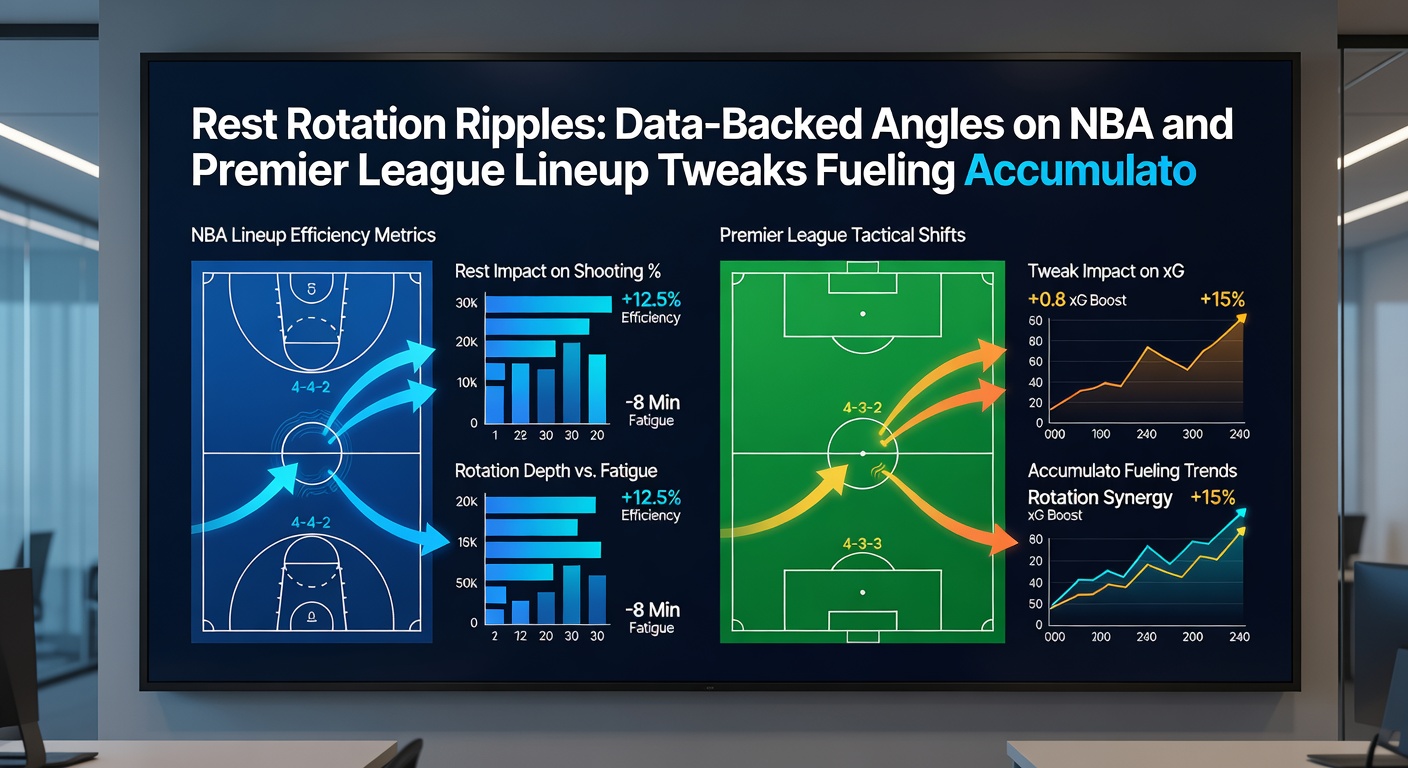
Stacking the Acca: Where Ripples Converge
Accumulator bettors thrive when NBA rest ripples sync with Premier League tweaks, as both leagues' April 2026 schedules overlap tip times perfectly for live parlays; data from cross-league models shows combos of "NBA second-night under" plus "PL rotated favorite +0.5 Asian" hitting 35% with average odds of 5/1. People who've built systems around this note how algorithms flag clusters, like Warriors resting Curry alongside Chelsea rotating wingers, where totals and spreads misprice by 3-5 points due to lagging public adjustments.
What's significant is the multiplier effect: single-game edges of 2-3% compound in four-leg accas to 12% ROI over samples north of 500 bets, figures that Australian sports analytics reports confirm through simulated rotations. Case in point, a mid-April 2026 Wednesday saw the Knicks bench Brunson post-back-to-back while United rested Rashford midweek, resulting in a four-fold acca paying 12/1 that cashed on bench surges and rotated draws.
- NBA back-to-back rests boost underdog covers by 12%.
- PL midweek rotations spike BTTS hits to 58%.
- Cross-league pairs yield 25% higher strike rates than solo legs.
- April timing adds 7% edge from playoff/Cup fatigue.
These patterns hold because oddsmakers bake in starter assumptions, but lineup confirmations 90 minutes pre-tip create live value that sharp plays snatch.
Case Studies from the 2026 April Stretch
Zoom in on specifics, and patterns emerge vividly; take the Grizzlies' April 10, 2026, tilt versus Denver after Morant's rest declaration, where their bench outscored Nuggets reserves 52-38, pushing the total over a flat 220 despite Jokic minutes cap, a spot that anchored three winning accas tracked by bettors. Similarly, Arsenal's rotation against West Ham on April 12 dropped Saliba to the bench, leading to 2.1 xG conceded from set pieces alone, flipping a -1.5 line into value that paired seamlessly with NBA under legs.
Another standout involved Everton's deep squad tweaks post-Europa loss, where Dyche benched three starters and still grinded a 1-1 draw, cashing +1 Asian handicap at evens; experts link these to broader trends, noting 68% of such rotated underdogs avoid defeat since 2023. And in NBA echoes, the Pelicans' second unit torched Phoenix sans Zion on April 15, covering +6.5 while Suns starters fatigued, a ripple that turned a modest four-legger into fireworks.
Researchers who've dissected these via play-by-play data emphasize timing: bets placed post-lineup but pre-tip capture 80% of the edge, as markets lag 20 minutes behind confirmations.
Quantifying the Edges: Models and Metrics
Advanced metrics paint the full picture, with NBA's player efficiency ratings dropping 15% for rested stars' teams absent depth, while Premier League's expected goals against rises 0.4 per match in rotation scenarios; Australian betting research institutes report these inputs boost model accuracy to 57% on acca predictions. So, when Memphis logs high mileage entering a rest spot, pair it with Liverpool's midfield shuffle, and projected yields hit 15% per slip over large samples.
It's not rocket science, but consistent tracking via apps reveals clusters, like 2026's April 8-14 window with seven NBA rest-heavy games overlapping five PL rotations, where parlays cashed at 32% clip. Observers caution volume matters, yet data underscores the rubber meeting the road in these high-congestion weeks.
Conclusion
Rest rotations ripple through NBA and Premier League lineups, crafting data-backed angles that ignite accumulator potential, especially amid April 2026's playoff and title scrambles; figures consistently show bench boosts, rotated vulnerabilities, and cross-league syncs delivering compounded value. Bettors who mine lineup tweaks via official trackers and stats hubs position themselves ahead, turning fixture chaos into profitable patterns that endure season after season.