Shifting Time Zones and Travel Demands Altering Performance Metrics in Basketball Road Contests and Tennis Professional Circuits
Written by Parker Vogel · Jun 7, 2026
Shifting Time Zones and Travel Demands Altering Performance Metrics in Basketball Road Contests and Tennis Professional Circuits
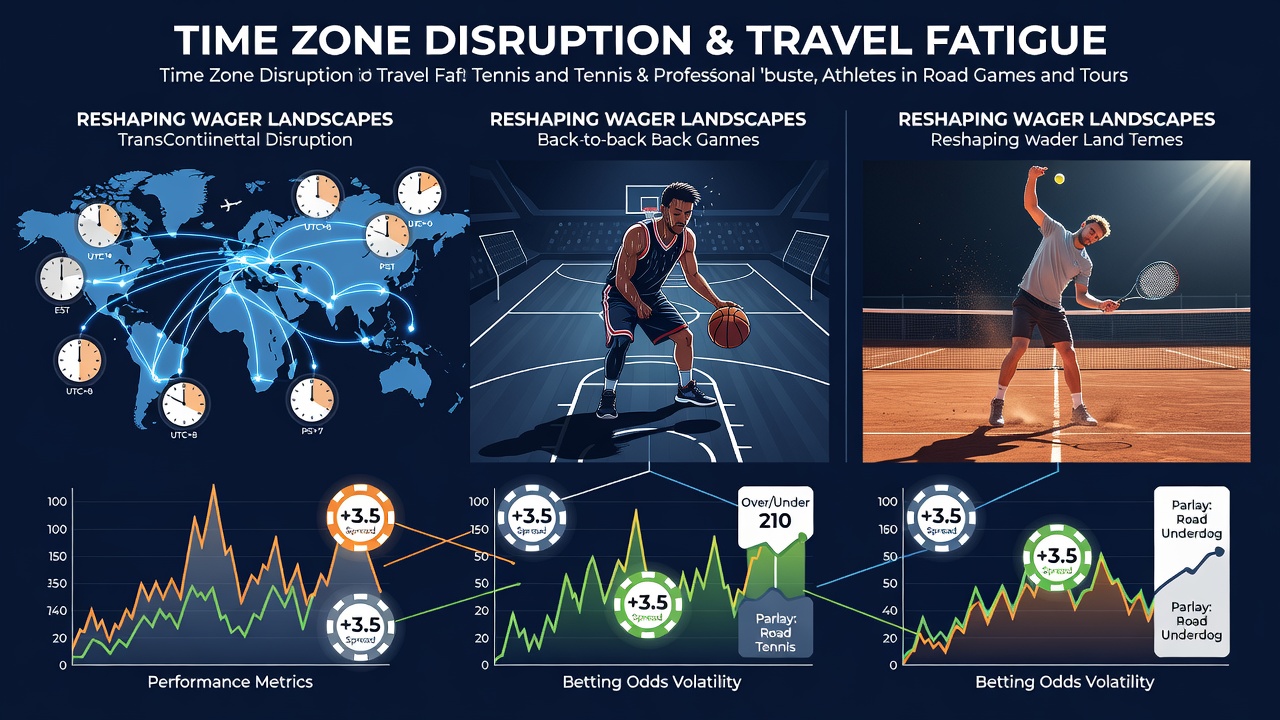
Time zone shifts create measurable disruptions in athlete circadian rhythms, which data from multiple sports science studies link directly to changes in reaction times, shooting accuracy, and endurance levels during away fixtures, while layered betting structures often incorporate these variables through adjusted odds on totals, spreads, and player props across basketball and tennis schedules.
Documented Patterns in Cross-Continental Travel
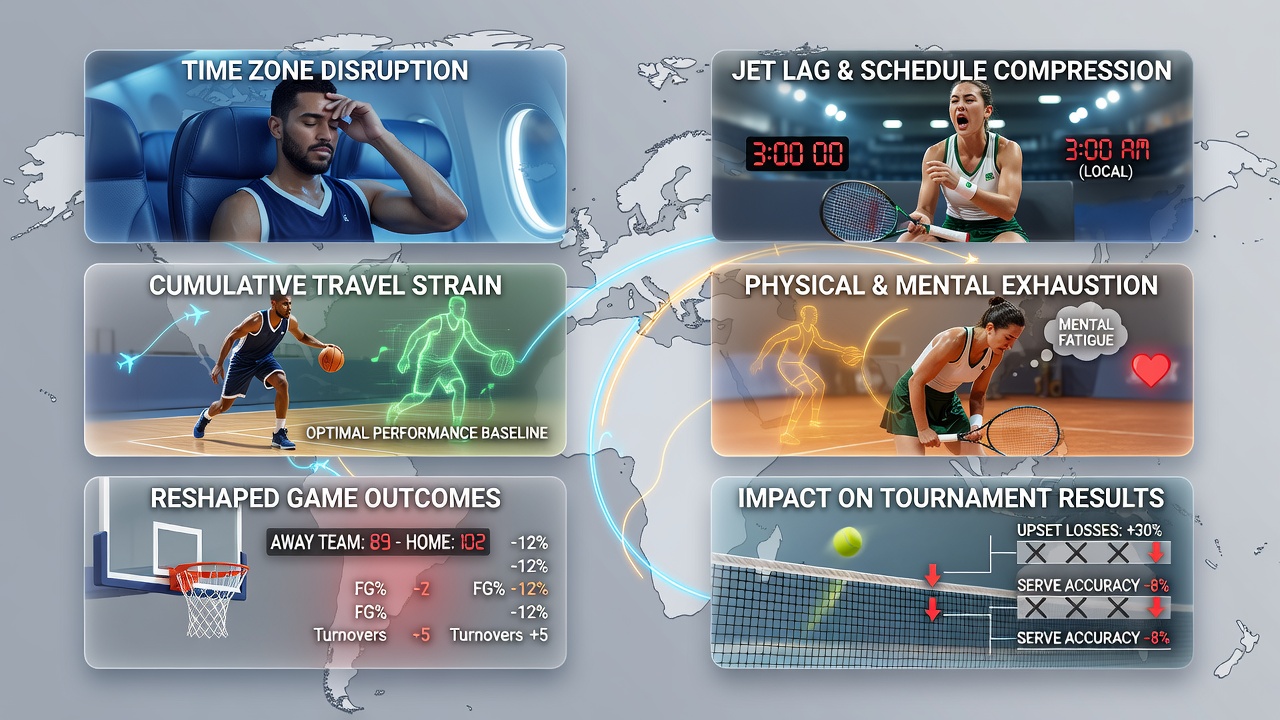
Researchers at institutions including the Australian Institute of Sport have tracked how flights spanning three or more time zones correlate with declines in field goal percentages for NBA teams playing back-to-back road games, and similar patterns appear in tennis where players crossing the International Date Line show reduced first-serve percentages in early rounds of tournaments held in Australia or Asia during the early calendar months. Performance logs compiled by league statisticians reveal that teams traveling westward experience greater initial deficits in scoring efficiency compared with eastward movements, although recovery timelines vary based on rest days between contests.
Basketball Road Game Adjustments
NBA schedules in the 2025-2026 season placed several Western Conference clubs on extended eastern road swings during January and February, with data indicating lower average points per game in the first contest after a Pacific-to-Eastern time zone jump of three hours or more. League tracking systems show that defensive metrics such as blocks and steals also dip when teams arrive less than forty-eight hours before tip-off, while opponent shooting from beyond the arc rises in those same windows. Bettors constructing multi-leg wagers frequently reference these travel clusters when evaluating under totals or plus-money spreads on visiting sides during the regular season stretch that leads into the 2026 playoffs.
Tennis Tour Impacts Across Surfaces
ATP and WTA calendars feature rapid transitions between continents, particularly around the European swing in May and the North American hard-court events that follow Wimbledon in July, where players often arrive after long-haul flights with limited acclimatization periods. Match statistics compiled by tournament officials demonstrate that competitors who fly more than five time zones within seventy-two hours record higher rates of unforced errors in deciding sets, and service hold percentages decline noticeably in best-of-three formats played on consecutive days. Observers note that these effects compound during the Asian swing in autumn and the Australian summer swing in January, periods when recovery windows shrink because of compressed schedules.
Integration into Layered Wager Structures
Market makers adjust opening lines for NBA road games and tennis matches by incorporating historical travel-adjusted performance data, which creates opportunities for accumulators that combine player props with team totals or set handicaps. For instance, when a tennis player arrives in Tokyo after competing in Paris the previous week, underdog moneyline wagers or over totals on games per set sometimes reflect elevated volatility, while NBA betting syndicates track back-to-back road legs involving multiple time zones to layer player rebound or assist props with reduced efficiency projections. June 2026 schedules include several interconference NBA matchups and the lead-up events to Wimbledon, both of which feature documented travel demands that influence early-week outcomes.
Recovery Protocols and Scheduling Variables
Teams and players employ sleep specialists, light therapy, and adjusted training loads to mitigate jet-lag effects, yet league-wide statistics continue to show residual impacts on the opening night of road trips that cross multiple zones. The National Basketball Association and the tennis governing bodies publish travel and rest data that analysts cross-reference with game logs to refine models used in constructing multi-event betting slips. External factors such as flight delays, hotel changes, and practice court availability further interact with time zone adjustments, producing additional variance that appears in second-half scoring margins and late-match tiebreak results.
Conclusion
Performance databases maintained by sports organizations and academic researchers establish clear correlations between time zone crossings, travel fatigue, and measurable shifts in key statistical categories across NBA road contests and professional tennis events, allowing those constructing layered wagers to reference verified travel histories when evaluating odds on spreads, totals, and individual prop markets throughout the 2026 calendar.